



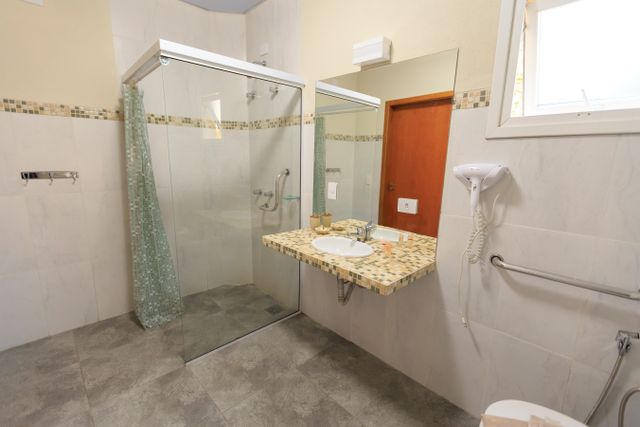
The bathroom is where most in-home falls happen, and it’s usually the first room a family looks at when mobility changes. It’s also the room where the quotes come back highest. A roll-in shower conversion can run $10,000 to $20,000, and Medicare won’t cover it — home modifications aren’t considered durable medical equipment.
That gap sends people searching for grants. The good news is that real money exists. The catch is that almost none of it is advertised, and the programs that pay the fastest are rarely the ones people find first.
True grants vs. money that just looks like a grant
Before you apply anywhere, know the difference. A grant is money you never repay. Most “bathroom remodel grant” results are actually forgivable loans, deferred-payment loans, or tax credits. Those can still be excellent deals — a zero-interest loan forgiven after five years of continued residency is close to free money — but they carry conditions, and you should know which one you’re signing.
VA grants for veterans
If a veteran lives in the home, start here. The VA funds bathroom accessibility more generously than any other source.
- HISA (Home Improvements and Structural Alterations): up to $6,800 for veterans with a service-connected disability, or up to $2,000 for non-service-connected conditions. HISA doesn’t require a specific disability rating — only a VA physician’s prescription documenting medical necessity. It is the most realistic option for a single-room project.
- SHA (Special Home Adaptation): up to $25,350 in FY 2026 for qualifying service-connected conditions.
- SAH (Specially Adapted Housing): up to $126,526 in FY 2026 for veterans with severe qualifying disabilities.
SAH and SHA are mutually exclusive on the same project, but HISA can stack on top of either. Get written VA approval before any work begins — starting early is the most common reason applications get denied.
USDA Section 504 for rural homeowners
The Section 504 Home Repair program is the only major federal program offering a true grant for home repairs. Homeowners aged 62 and older who live in a USDA-designated rural area, earn below 50% of area median income, and can’t qualify for a repayable loan may receive up to $10,000 in lifetime grant funds.
Younger or higher-income applicants can access 1% fixed-rate loans up to $40,000 over 20 years, and the two can be combined up to $50,000. Grant dollars must remove a health or safety hazard or improve accessibility — which bathroom work clearly does. One condition: sell within three years and the grant becomes repayable.
Medicaid waivers
Most states fund bathroom modifications through Home and Community-Based Services (HCBS) waivers, usually listed as “environmental accessibility adaptations“.
The logic is simple: a $9,000 shower conversion costs Medicaid far less than a year of nursing home care. Caps vary by state, commonly ranging from a few thousand dollars to around $15,000.
You’ll typically need Medicaid eligibility, a nursing-facility level-of-care assessment, and an open waiver slot — waiting lists are real in many states. Call your state Medicaid office or managed-care plan and use the exact phrase “environmental accessibility adaptations“.
Local programs almost nobody finds
- Your Area Agency on Aging. Call 1-800-677-1116 (the Eldercare Locator). Many AAAs run small home-modification funds with far less paperwork than federal programs.
- CDBG and HOME rehab programs. Your city or county housing department distributes federal block grants as local repair grants and forgivable loans.
- Rebuilding Together and Habitat for Humanity. Both operate critical repair programs using volunteer labor, which can eliminate most costs.
- Disease-specific nonprofits. ALS, MS, and muscular dystrophy organizations often fund equipment and modifications for people they serve.
- State assistive technology programs. Every state has one, and many offer low-interest financing when grants aren’t available.
When the cheapest fix beats the biggest grant
Funding decisions can take months. If someone can’t safely bathe today, shrinking the project is often smarter than chasing a larger award.
Tub cut outs?
What is a tub cut out? It’s a partial conversion in which a section of your existing tub wall is removed and replaced with a sealed, watertight step-through opening. Instead of lifting a leg over a 15-inch tub wall, you step over about four inches. Installation typically takes a few hours, requires no plumbing relocation or demolition, and costs a fraction of a full walk-in tub or roll-in shower. That price difference matters twice over: it may land under a HISA or waiver cap that a full remodel would blow past, and it’s affordable enough to pay out of pocket while a larger application is pending.
Establish medical necessity first — a physician’s letter naming the diagnosis, the functional limitation, and the specific modification carries every application. Then gather two or three written contractor bids, apply to more than one program at a time, and confirm in writing whether awards can be combined. Never start work before approval. Do it in that order, and you’ll know within weeks, not seasons, what you actually have to spend.