



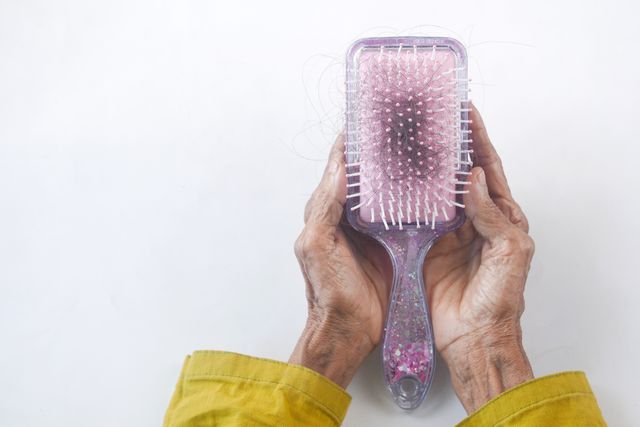
Noticing more hair in your brush, on your pillow, or around the shower drain can be unsettling. For many people, however, some thinning of the hair is a natural part of getting older.
Hair changes throughout our lives. As we age, strands may become finer, growth may slow, and overall hair density can decrease. But not every type of hair loss should simply be blamed on aging.
Understanding what is normal—and recognizing changes that may deserve medical attention—can help you take better care of your hair and your overall health.
Why Does Hair Change as We Get Older?
Hair grows in cycles. Each individual hair goes through periods of growth, transition, rest, and eventually shedding. With age, these cycles can change.
Hair follicles may produce thinner strands, some follicles may stop producing new hairs altogether, and hair may take longer to grow back after it falls out. Hormonal changes and genetics can also play a significant role.
For many older adults, the result is gradual thinning rather than sudden hair loss.
Men commonly notice a receding hairline or thinning around the crown of the head. Women may notice that their part looks wider or that their hair feels less full, particularly around the top of the scalp.
These changes can happen gradually over many years.
How Much Hair Loss Is Normal?
Everyone loses hair every day. It is normal for some hairs to reach the end of their growth cycle and fall out while new ones begin growing.
Rather than trying to count individual hairs, pay attention to changes from what is normal for you.
If your hair has slowly become thinner over several years, aging or hereditary hair loss may be contributing. However, suddenly losing significantly more hair than usual deserves attention.
Hair Loss Isn’t Always About Aging
Age-related thinning is common, but there are many other possible causes of hair loss.
Stress, illness, surgery, significant weight changes, hormonal changes, nutritional deficiencies, certain medications, thyroid problems, autoimmune conditions, and scalp disorders can all affect hair growth.
Sometimes hair shedding appears several weeks or even months after a stressful event or illness. This type of temporary shedding may improve once the underlying trigger has resolved.
Because there are so many possible causes, unexplained hair loss shouldn’t automatically be dismissed as “just getting older.”
Nutrition Can Make a Difference
Hair needs adequate nutrition to grow normally.
Protein, iron, zinc and other nutrients contribute to healthy hair growth. Older adults may sometimes have difficulty getting enough nutrients because of reduced appetite, dietary restrictions, illness, medication effects, or problems absorbing nutrients.
This doesn’t mean taking a handful of hair supplements is the answer. In fact, taking excessive amounts of certain vitamins or minerals can sometimes cause problems.
If a nutritional deficiency is suspected, a healthcare professional can help determine whether testing or dietary changes are appropriate.
Could Your Medication Be Affecting Your Hair?
Some medications may contribute to hair thinning or shedding.
If you notice significant hair loss after starting a new medication or changing a dose, speak with your doctor or pharmacist. Don’t stop a prescribed medication on your own because you suspect it is affecting your hair.
Your healthcare provider can review your medications and determine whether there may be a connection or whether another cause should be investigated.
When Should You Be Concerned About Hair Loss?
Gradual thinning can be a normal part of aging, but certain changes are worth discussing with a healthcare professional.
Consider making an appointment if you experience:
- Sudden or rapid hair loss
- Hair coming out in unusually large amounts
- Round or patchy bald spots
- Significant thinning over a short period
- Scalp pain, redness, itching, scaling, sores, or inflammation
- Loss of eyebrows or other body hair
- Hair loss accompanied by unexplained fatigue, weakness, weight changes, or other new symptoms
- Hair loss that began after starting a medication
- Hair loss that is causing significant emotional distress
Sudden changes can sometimes provide clues about an underlying medical condition, which is why getting evaluated can be important.
What Can a Doctor Do?
A healthcare professional may begin by asking when the hair loss started, whether it happened suddenly or gradually, what medications you take, your diet, recent illnesses, stressful events, and whether hair loss runs in your family.
They may also examine your scalp and hair. Depending on your symptoms and medical history, blood tests or additional evaluation may be recommended.
If necessary, your primary care provider may refer you to a dermatologist who specializes in conditions affecting the skin, scalp, hair, and nails.
Finding the cause matters because treatment depends on what is actually contributing to the hair loss.
Taking Care of Aging Hair
While you can’t completely prevent genetically determined or age-related hair thinning, gentle hair care may help protect the hair you have.
Avoid excessive heat from curling irons, straighteners, and very hot hair dryers. Be gentle when brushing or detangling, particularly when your hair is wet.
Tight ponytails, braids, extensions, and other hairstyles that continually pull on the hair should also be limited.
Eating a balanced diet with adequate protein and essential nutrients supports overall health as well as normal hair growth.
Most importantly, be cautious about products promising miraculous hair regrowth. If hair loss is bothering you, discussing proven treatment options with a healthcare professional is usually a better place to start.
Hair Loss Can Affect Confidence, Too
Hair may seem like a cosmetic issue, but losing it can have a genuine emotional impact.
For some older adults, thinning hair is simply another change that comes with age. For others, it can affect confidence, self-image, and willingness to socialize.
Those feelings shouldn’t be dismissed. Talking to a doctor, dermatologist, hairstylist, family member, or someone you trust can help you explore both practical solutions and ways to feel more comfortable with the changes you’re experiencing.
The Bottom Line
Some hair thinning is a normal part of growing older. Hair may become finer, grow more slowly, and gradually lose some of its fullness.
What matters most is how the change happens.
Slow, gradual thinning is very different from sudden shedding, bald patches, scalp inflammation, or hair loss accompanied by other unexplained symptoms.
If something about your hair loss feels unusual or has changed significantly, don’t assume it’s simply your age. A conversation with your healthcare provider can help identify possible causes and determine whether treatment is needed.
Growing older brings plenty of changes—but when your body starts doing something noticeably different, it’s always reasonable to ask why.

