



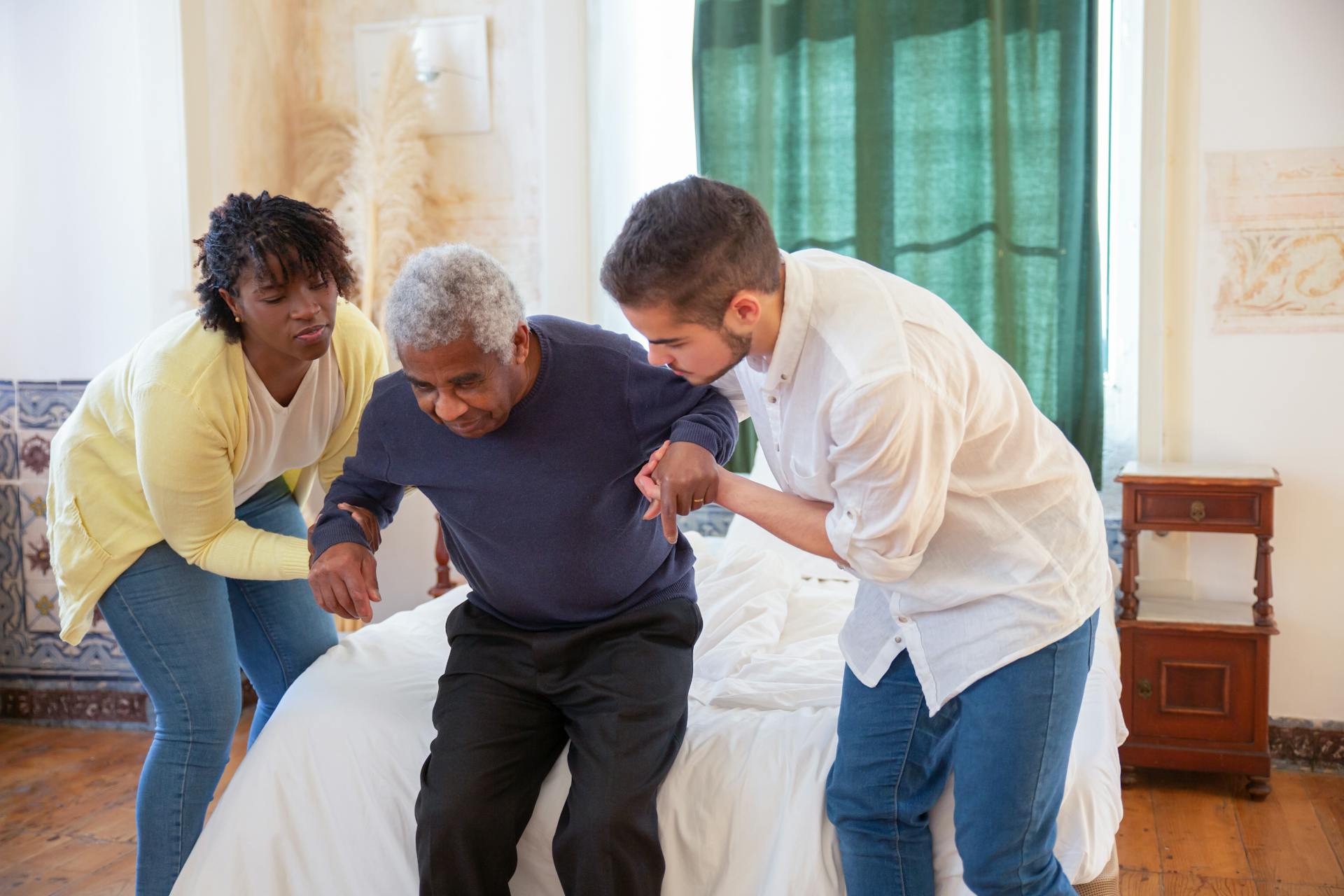
Even within a memory care community, new technologies are enhancing safety and independence. But forget the sci-fi fantasy of robots taking over caregiving. We’re talking about simple tools that help people take control of their lives.
The reality of aging with technology looks nothing like the stereotypes. An 82-year-old might refuse to touch a smartphone but love telling Alexa to play Frank Sinatra. The best innovations disappear into daily life, solving problems without creating new ones.
Busting the Tech-Averse Senior Myth
Seniors adopt technology faster than anyone expected when it actually helps them. Someone who can’t figure out texting might embrace a medical alert watch after a fall. The difference? One solves a real problem.
COVID forced this evolution. Video calls went from “nice to have” to “how I see my grandkids.” Telehealth appointments replaced risky trips to the doctor. Grocery delivery became a lifeline, not a luxury.
The magic happens when technology feels invisible. Nobody wants to learn complicated systems. They want their problems solved. That’s why many senior living and memory care programs now integrate easy-to-use tech—wearables, voice assistants, and safety devices—that quietly improve daily life without demanding a steep learning curve.
Safety That Actually Saves Lives
Fall detection has evolved way beyond those old emergency button commercials. Today’s devices know the difference between dropping something and hitting the floor hard. They call for help automatically, even when you can’t.
Smart home sensors can detect when someone hasn’t moved around their house for an unusual period. One family got an alert that led to discovering their mother had fallen in her bathroom and couldn’t reach her phone—the motion detection network throughout her house—no cameras, just sensors—potentially saved her life.
Bright pill dispensers might be even more crucial. Missing medications kills. Taking too many kills faster. These devices lock away pills until the right time, send reminders, and track everything. When you’re juggling five different prescriptions with different schedules, technology beats handwritten notes every time.
Daily Life Gets Easier
Voice control clicked with seniors in unexpected ways. Speaking feels natural—no tiny buttons, confusing screens, or remembering passwords. “Turn on the lamp” works better than fumbling for switches when your arthritis flares up.
Smart thermostats learn your preferences without programming. They know you like it warmer in the morning, cooler at night. Smart locks open when you approach—no more dropping groceries while hunting for keys.
GPS isn’t just for people with dementia. Anyone can get turned around in a new medical complex or unfamiliar neighborhood. Some devices work inside buildings too, guiding you through maze-like hospitals.
Health Monitoring Without the Hassle
Wearable devices track way more than steps now. Heart rhythm, sleep quality, and blood oxygen levels—all passive monitoring that spots problems before you feel symptoms. Smartwatches can detect irregular heart rhythms during everyday stress, leading to cardiology consultations that prevent strokes.
Home blood pressure monitors sync directly with your phone and your doctor’s office. Diabetics wear continuous glucose monitors that eliminate finger sticks and provide real-time data to their care teams.
Telehealth revolutionized access for people who struggle with transportation. Routine check-ups happen from your kitchen table. Specialists review your data remotely. Emergency consultations prevent unnecessary ER visits.
Staying Connected to What Matters
Simplified tablets make video calling actually enjoyable instead of frustrating. The interfaces are clean, the text is large, and the cameras work well in normal lighting. Grandparents can finally read bedtime stories to grandchildren in distant cities.
Online communities give isolated people genuine connections. Virtual book clubs, gardening forums, exercise classes—real relationships form around shared interests. Physical limitations don’t have to mean social isolation anymore.
Rideshare apps designed for seniors include advanced scheduling and family coordination. Adult children in other states can arrange rides for their parents. Drivers receive special training for assisting older passengers.
Overcoming Legitimate Concerns
Privacy matters, especially with health data. The best systems give you control. Maybe your children get emergency alerts, but can’t see your daily activity patterns. You decide what to share and with whom.
Start small and build confidence gradually. One new device at a time. Master the smart thermostat before adding security sensors. Success breeds comfort with technology.
Cost remains a real barrier. Medicare covers some medical alert systems now. Community programs sometimes offer group purchasing or device lending. Families often consider it money well spent for peace of mind.
When Technology Actually Works
Motion sensors throughout homes can send daily “all normal” messages to distant family members. When patterns change—no kitchen activity, no movement for hours—concerned relatives get immediate alerts. This technology provides confidence without making people feel monitored.
Connected health devices create powerful monitoring systems. Pill dispensers, blood pressure cuffs, and glucose monitors can all feed data to apps that doctors review. When numbers start trending poorly, physicians can adjust medications before patients even notice symptoms. Proactive care beats reactive medicine every time.
Technology as a Bridge, Not a Replacement
The best aging technology strengthens human connections rather than replacing them. Emergency alerts bring family quickly, health monitoring keeps doctors informed, and transportation apps help seniors stay independent.
Robot assistants may handle simple tasks like fetching items or giving medication reminders, but they can’t replace relationships—they simply make them less stressful and more meaningful. Voice interfaces and AI health tools are also evolving, spotting subtle changes that may signal health issues.
The goal is the same: helping people live safely at home, on their own terms. Technology doesn’t replace caregivers or loved ones—it gives everyone better tools. Aging with dignity means having choices, and smart homes, health monitoring, and social tools expand those choices so people can shape their own aging story.

