



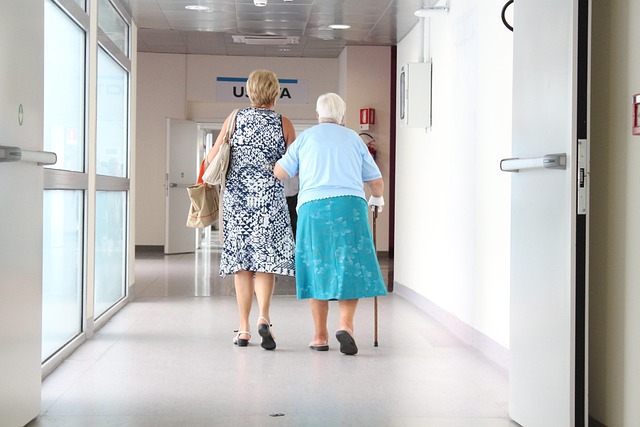
Mesa’s mornings start early. Courts fill with the sound of sneakers and serves. Gardeners tend plots before the sun climbs too high. And on the trails, neighbors nod in rhythm, walking together through the cool air. For many older adults, staying active is more than habit—it’s how they stay connected, steady, and sharp. But when joints ache or movement stiffens, that momentum can slip fast.
Instead of slowing down, more seniors are pairing targeted mobility training with practical pain care. These programs aren’t about pushing through discomfort—they’re about adapting with intention. With sessions shaped around real routines and support that fits into daily life, movement becomes more sustainable. It’s not about returning to how things used to feel—it’s about staying in motion, with confidence, today.
Tailoring Care to Active Seniors’ Daily Routines
Morning play on neighborhood courts often starts with therapists meeting participants right after warm-up stretches, bypassing the clinic entirely. Schedules are shaped around errands, volunteer shifts, and evening league games, with flexible appointment windows that blend into daily rhythms. Sessions focus on sport-specific strength work, timed pacing to prevent late-day fatigue, and quick progress reviews that fit seamlessly into a busy week—an approach mirrored by pain management in Mesa AZ programs designed for real-life routines.
Collaboration between local clinicians, recreation staff, and family caregivers keeps adjustments simple and measurable. Portable guidance—brief phone check-ins, targeted video clips, or on-site tweaks before an activity—helps sustain gains. Even small touches, like a cooling towel and a short dynamic warm-up, can make each outing more comfortable and effective.
Addressing Common Pain Sources Linked to Mesa’s Active Lifestyle
A stiff knee after an energetic pickleball match is common in Mesa, where frequent play can strain joints and tendons. Small adjustments, like refining swing mechanics or varying walking terrain, help ease discomfort while maintaining activity. Choosing supportive footwear with firm arch backing and thoughtful cushioning further protects ankles and knees during neighborhood strolls.
Water-based exercise offers a joint-friendly way to build strength, letting muscles work without the impact of hard surfaces. Gentle yoga flows, alternating seated and standing positions, keep hips flexible for gardening or volunteer work. Frequent, brief telehealth follow-ups allow therapists to fine-tune routines quickly, preventing small aches from becoming persistent setbacks.
Combining Mobility Training with At-Home Adjustments
Sunlit corner by the hallway can become a daily practice zone with a few smart changes. Grab bars near the shower and toilet add steadying support after active mornings, while a non-slip mat and a firm chair make seated strength work safer. Resistance bands kept on a low shelf or draped over a hook invite short, frequent sets that protect gains from clinic sessions.
Simple cues keep habits alive: a laminated routine on the wall, a small mirror to check posture, and a night lamp for low-light safety. A practical trick is stashing a loop band next to the recliner for two-minute strength sets during TV commercial breaks.
Leveraging Local Resources for Consistent Support
In Mesa’s active circles, community and healthcare often meet in the same room. Local recreation centers coordinate with pain clinics so therapy sessions and fitness classes can flow together, reducing extra trips. Trainers and clinicians share progress notes, integrating prescribed exercises into group activities for seamless reinforcement.
Transportation assistance—from city vans to volunteer drivers and discounted rides—keeps attendance steady. Digital follow-ups add quick, targeted adjustments between visits, while short instructional clips help maintain form at home. These partnerships transform pain care from an isolated appointment into an ongoing, integrated part of community life.
Building Confidence Through Safe Movement Progressions
A shady park loop with a bench and low curb can serve as a safe practice circuit for seniors. Short walking intervals under trees build stamina without overheating; brief rest breaks make recovery predictable. Low-bench step practice builds hip and ankle strength for rough ground. Combined clinic sessions and gentle stretches leave people feeling steadier and more assured about daily movement.
Progress begins with timed walks, then gradual height increases and controlled descents while holding a rail. Short balance holds and light weight-bearing between sets reinforce steadiness. A practical pattern many find helpful: three five-minute shaded walks alternating with two sets of ten step-ups on a low curb, three times weekly.
Movement isn’t just part of the day—it’s part of staying connected, independent, and engaged. Pain management and mobility programs woven into real routines help seniors keep pace with lives already in motion. From trail walks to garden shifts, each step reflects quiet effort and clear intention. Progress often shows up in subtle ways: less hesitation, steadier footing, more confidence. These shifts may seem small, but they last. With practical support and consistent care, people keep showing up for the activities they enjoy—surrounded by others who understand that movement, even when slow, still means moving forward.

