



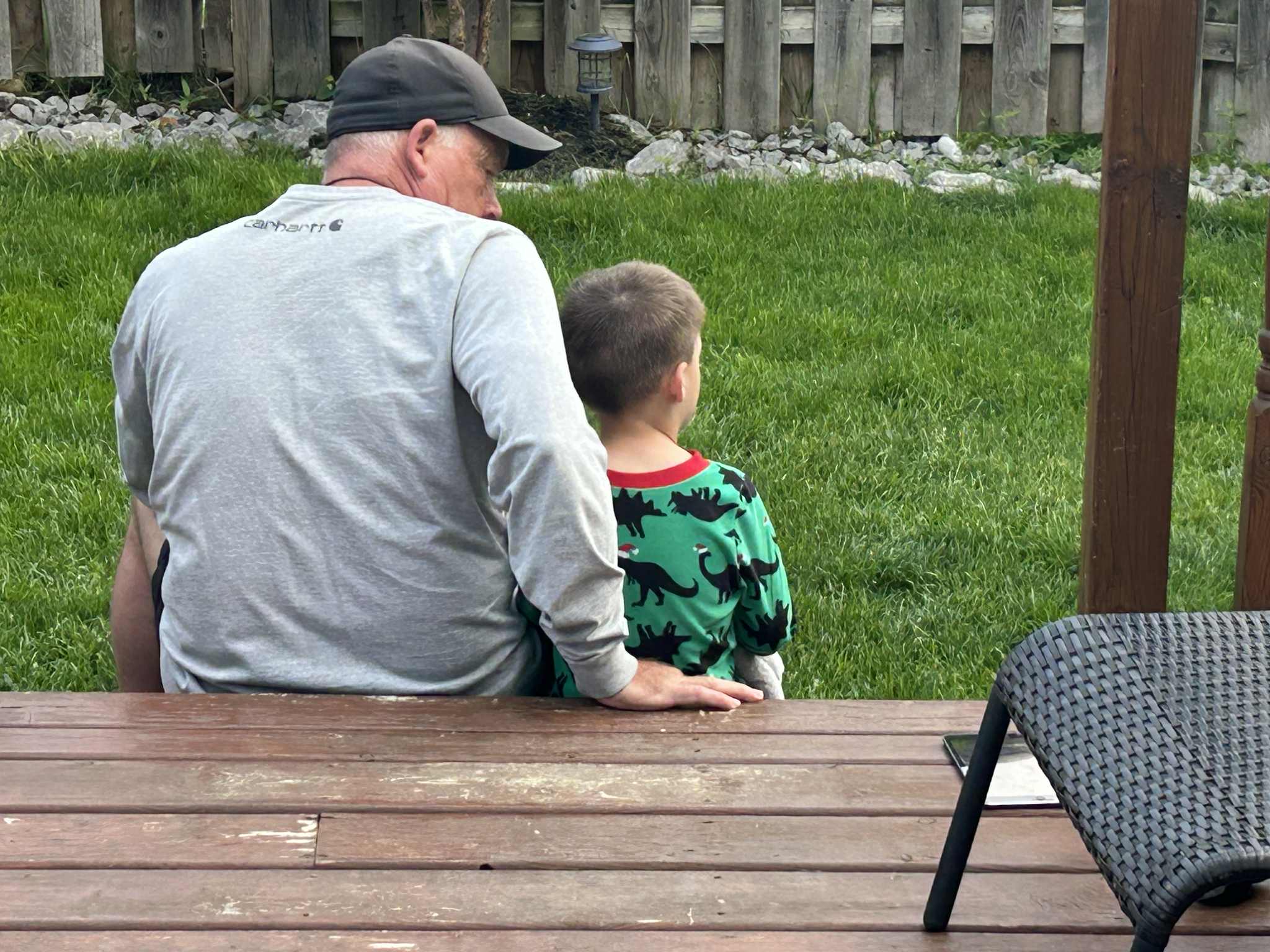
In recent years, more and more grandparents across North America have stepped in to raise their grandchildren. Whether due to parental substance abuse, incarceration, economic hardship, or health crises, this growing trend has reshaped what family life looks like for millions. While many grandparents take on the role out of love and necessity, the transition often comes with unique emotional, financial, and social challenges that can be overwhelming.
A Growing Phenomenon
According to recent data from Statistics Canada and the U.S. Census Bureau, millions of children now live in grandparent-led households. The opioid epidemic, rising housing costs, and instability in the job market have all contributed to this increase. For many older adults, retirement plans and personal freedom give way to full-time caregiving responsibilities—often without sufficient warning or preparation.
Financial Pressures
Many grandparents live on fixed incomes, such as Social Security or retirement savings. Raising children again means unexpected costs—food, clothing, school supplies, transportation, and healthcare. Government assistance programs like TANF (Temporary Assistance for Needy Families) or the Canada Child Benefit can help, but navigating eligibility rules can be complex. Often, these programs are designed for younger parents, not seniors suddenly thrust back into child-rearing.
Emotional and Physical Strain
Parenting in your 50s, 60s or 70s brings a different kind of exhaustion. Grandparents may struggle to balance their own health needs while caring for energetic young children. Emotionally, they often face grief and guilt—grief for their adult child’s struggles and guilt over not being able to provide the same level of energy or financial security they once could.
Children, too, experience their own emotional turmoil. Many have faced trauma or instability before coming into their grandparents’ care. Providing emotional support for these children while coping with their own feelings can be a heavy burden.
Legal and Custody Complications
One of the most stressful aspects of this arrangement is the legal uncertainty. In many cases, grandparents lack formal custody, making it difficult to enroll children in school, obtain medical care, or make other critical decisions. Legal aid services can help, but navigating the family court system can be both costly and confusing.
Social Isolation and Stigma
Grandparents raising grandchildren often find themselves isolated from peers who are enjoying retirement or empty-nest life. They may feel out of place at school events or parenting groups filled with much younger adults. The stigma of being a “second-generation parent” can add to the loneliness, making it harder to seek help or community support.
Finding Support and Hope
Despite these challenges, many grandparents show remarkable resilience. Support groups, both in-person and online, have become lifelines for sharing resources and emotional encouragement. Community organizations, churches, and social service agencies are increasingly recognizing this demographic and tailoring programs to meet their needs.
Local governments and advocacy groups across North America are also pushing for better policies—such as financial aid tailored for kinship caregivers, easier access to legal guardianship, and mental health services for both grandparents and grandchildren.
Moving Forward
Grandparents raising grandchildren embody strength, love, and sacrifice. Yet they shouldn’t have to do it alone. As this family dynamic becomes more common, North American communities must adapt—by reforming policies, increasing awareness, and offering practical support systems that honor the commitment these caregivers make every day.

